Category: Historical
-
The Coventry Canal was one of the country’s earliest waterways to be opened following the success of the Bridgewater Canal. The section from Coventry to Atherstone was opened in 1769, and the rest of the canal followed as time went on eventually bringing it a total of 27 miles to Fradley junction (not forgetting the…
-
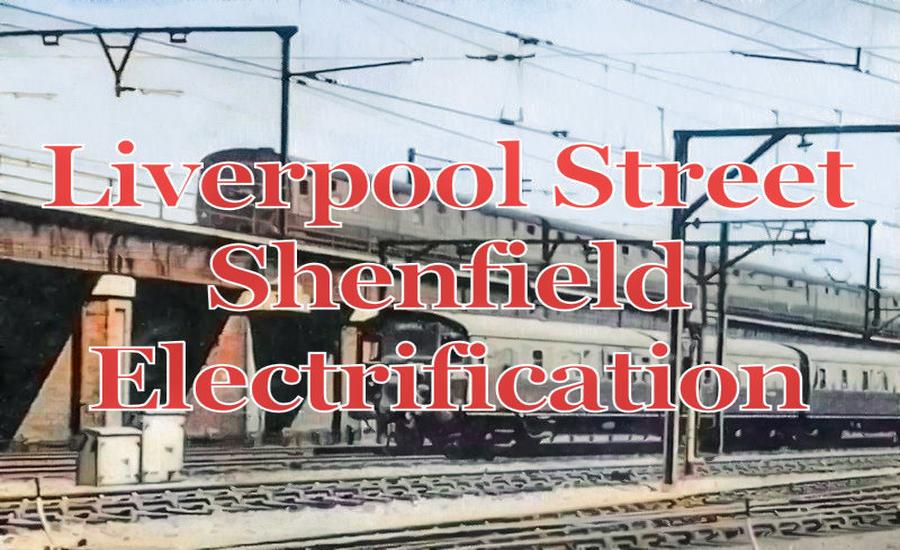
Its seventy years since the Liverpool Street – Shenfield electrification first began. The scheme was officially opened on 20th September 1949 and cost £8 million. This scheme was tied in a fair bit with the Manchester Sheffield Wath scheme and indeed the electric locomotives for that scheme were first tested on the Liverpool Street lines.…
-
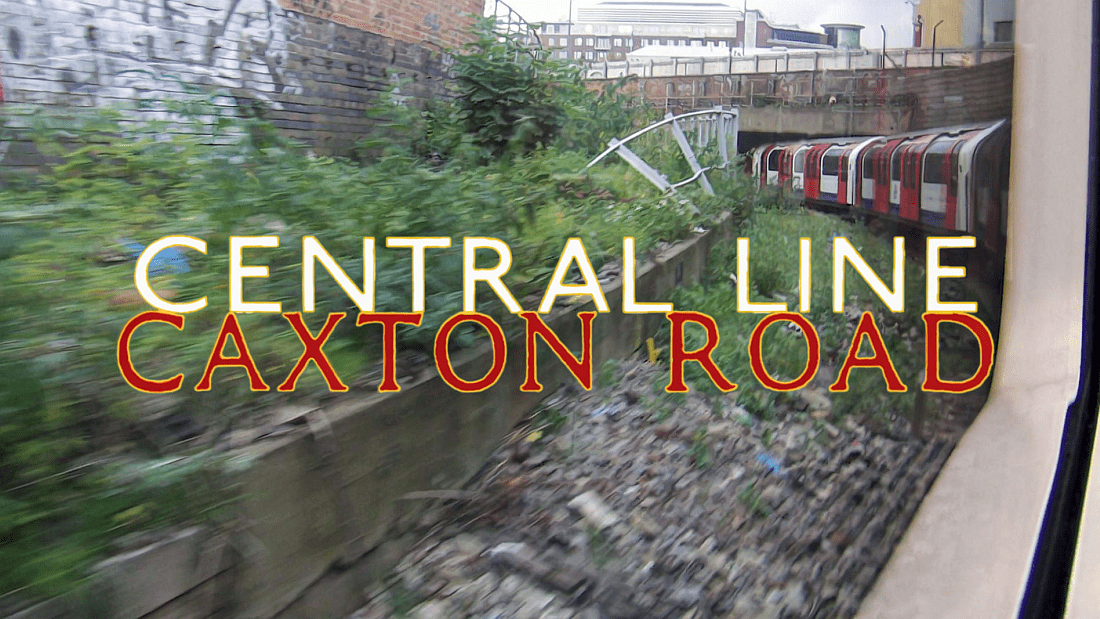
Remember the popular post Central Line: Beyond Caxton Road published more than two years ago? This is a follow up and its based around several old photographs of the area plus some of the latest developments at Westfield. The DIMCO buildings, which some will know were once part of the coal fired power station that…
-
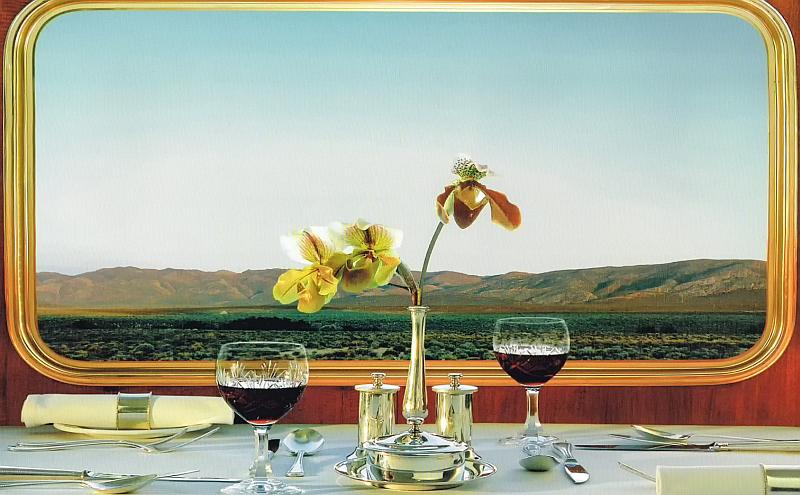
Britain’s newest train, can be said to be ‘blue in the face’ because its had so many mishaps, its had a considerably poor showing ever since its launch in April 2019. Its ultra-modern coaches and ultra modern interiors with all its mod cons including shoe cleaners, sofas and so on were launched to great fanfare.…
-
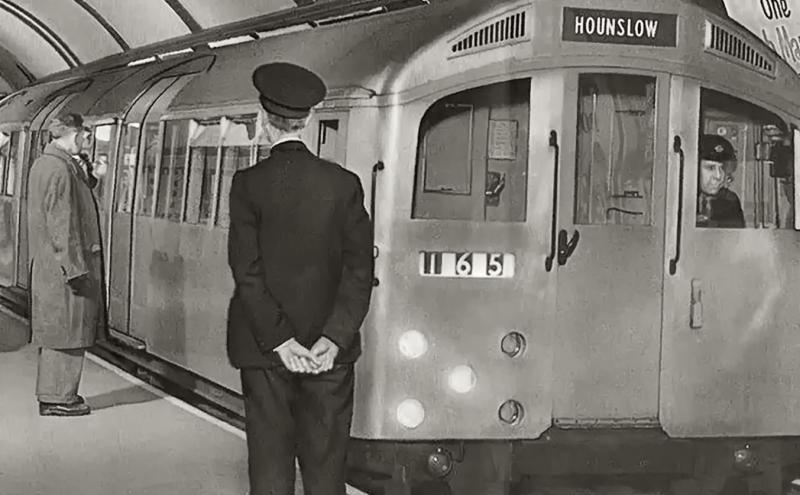
A special post about the 1956 tube stock. Piccadilly Circus station staff sent a tweet (one of their earliest ones) in February of this year asking for information on a picture of a train at the station itself. Its a photograph I have seen before – but not in colour and certainly not at such…
-
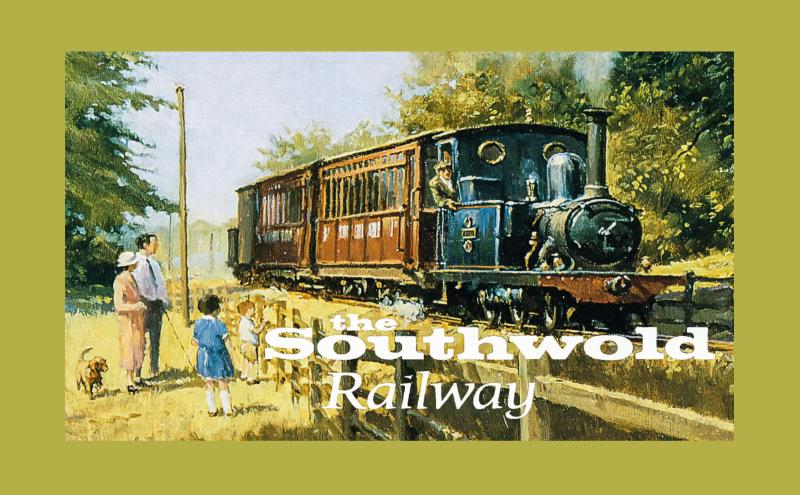
The Southwold Railway – England’s premier three foot narrow gauge passenger railway! This week its ninety years since the last passenger trains ran. 2019 is also the 140th anniversary of the line’s opening. This somewhat quirky railway was in service for just fifty years, and remained moribund for several decades more. It has left a…
-
The Southwold Railway – England’s premier three foot narrow gauge passenger railway! This week its ninety years since the last passenger trains ran. 2019 is also the 140th anniversary of the line’s opening. This somewhat quirky railway was in service for just fifty years, and remained moribund for several decades more. It has left a…
-
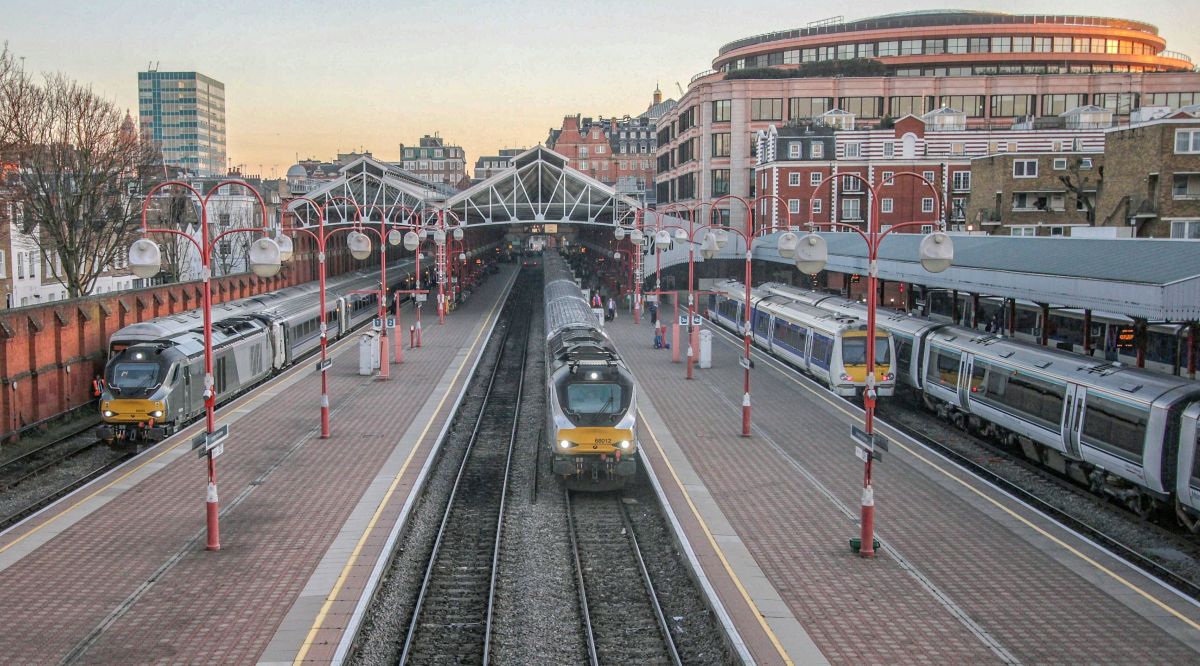
The 120th anniversary! The first official train left Marylebone 9th March and the station opened to the public 15th March 1899. The London terminus was to be a grand one, both for the Midlands, the North and even a rail link to an early Channel Tunnel! The Great Central was therefore built to larger dimensions…
-
The 120th anniversary! The first official train left Marylebone 9th March and the station opened to the public 15th March 1899. The London terminus was to be a grand one, both for the Midlands, the North and even a rail link to an early Channel Tunnel! The Great Central was therefore built to larger dimensions…
-
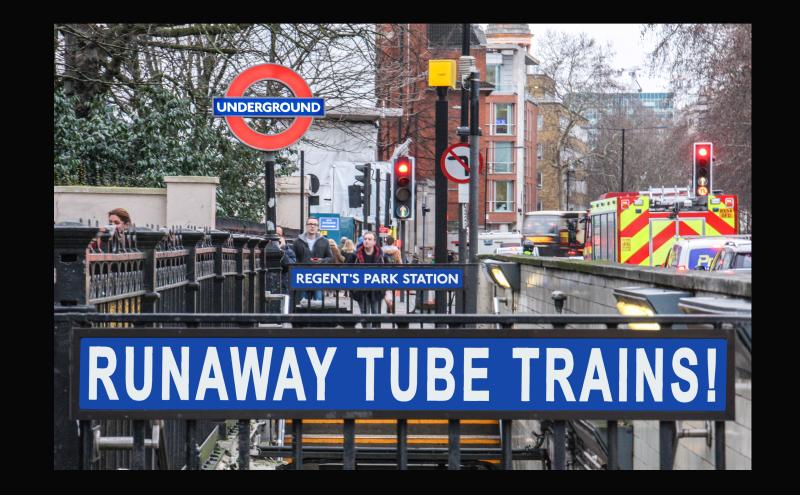
The third part of the runway tube trains series. Waterloo & City, Island Line and other incidents are featured here. The first two posts covered incidents on the Bakerloo, District/Circle, Northern, Piccadilly and Victoria lines. Waterloo and City Line Even the diminutive Waterloo and City line has had a runaway train episode – of sorts! During…
Search
Latest Posts
- The tube loses track of time!
- Baker Street tube blows its crumpet!
- Schwebebahn 125th anniversary
- Baker Street tube gets toasted!
- Rail legacy issues and the Deaf
Categories
- .
- Advertising
- America
- Architecture
- British Railways
- Closed Railway
- Historical
- International
- Ireland
- Japan
- London
- London Transport
- Narrow Gauge
- Other Transport
- Shinkansen
- Standard Gauge
- Tube
- United Kingdom
- Waterways
Tags
accessibility america anniversary breach canada canal canals closed railway coasters commuter rail deep level tube elizabeth line europe germany great western main line high speed rail industrial archaeology infrastructure japan london history london underground media metro narrow gauge operational issues paddington publicity quirky rail history railway railway history railway problems railway station roads South Africa station street theme park tokaido line transport tube tube station tunnels underground railway walking