Tag: railway history
-
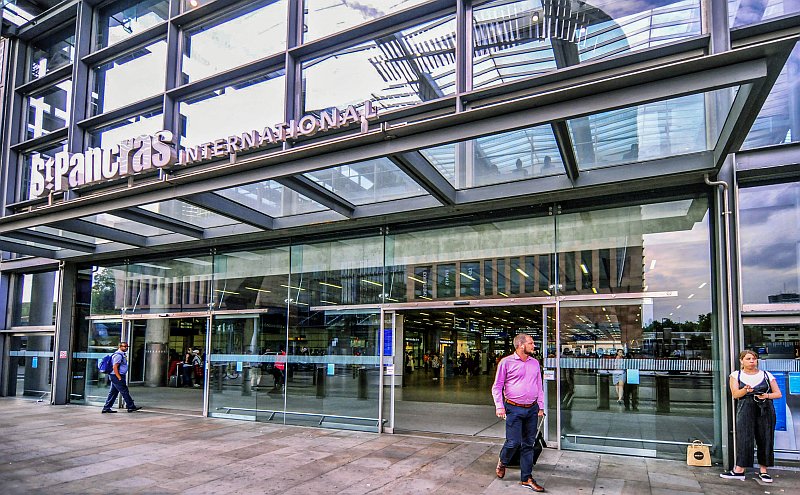
The history and construction of the lines that make up Thameslink are of considerable importance because they are what made the original ‘Thameslink’ network possible. It didn’t really work however as everyone saw London as the place where all their trains went to and any onward journeys were simply a case of using the sub-surface…
-
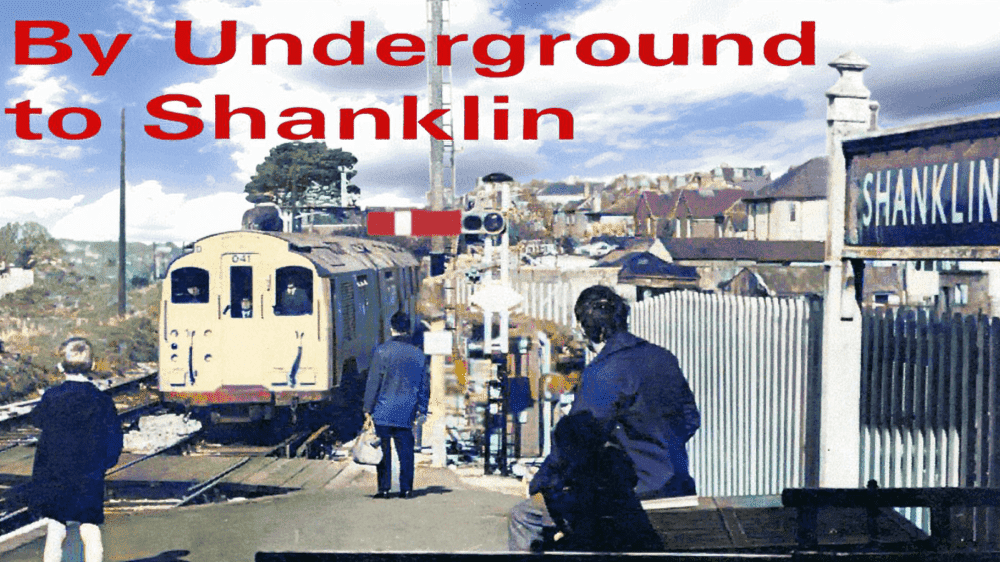
This year was the 50th anniversary of the Isle of Wight’s ‘underground’, an anniversary that appears to have been missed! There may have been local celebrations however the news archives at the British Library had nothing on record. Instead the 150th anniversary of the line was celebrated in 2014. The 2016 anniversary of 50 years…
-
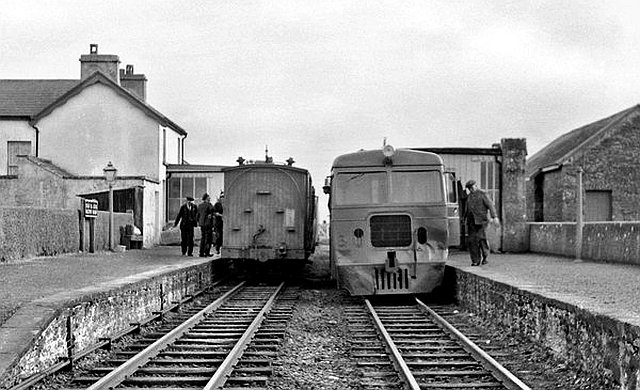
If you were due a court appearance in Ennis over a counter claim by the West Clare Railway, simply claiming you had travelled by one of its trains to court and been made late would have earned the judge’s deepest sympathies. That is because the West Clare had a most disreputable image in terms of…
-
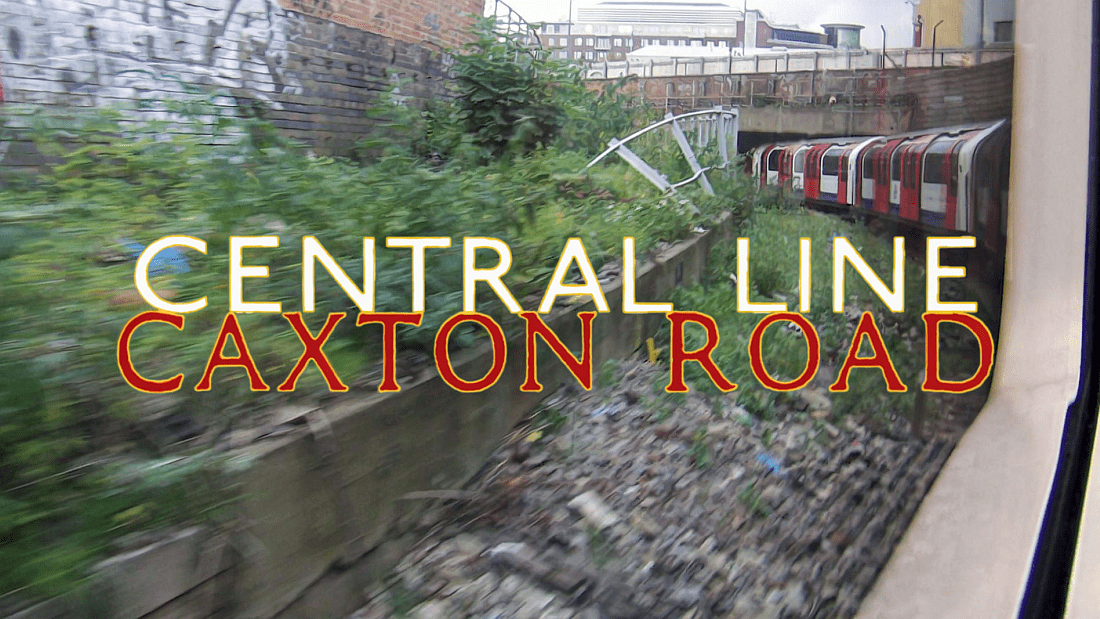
A minor update of the article posted two years ago featuring the Central Line around Wood Lane/White City showing how the area’s changed. Previous overground sections of the Central Line are now underground. The header image shows the Central Line tracks as they approach Ariel Way. This section was the original route of the Central…
-
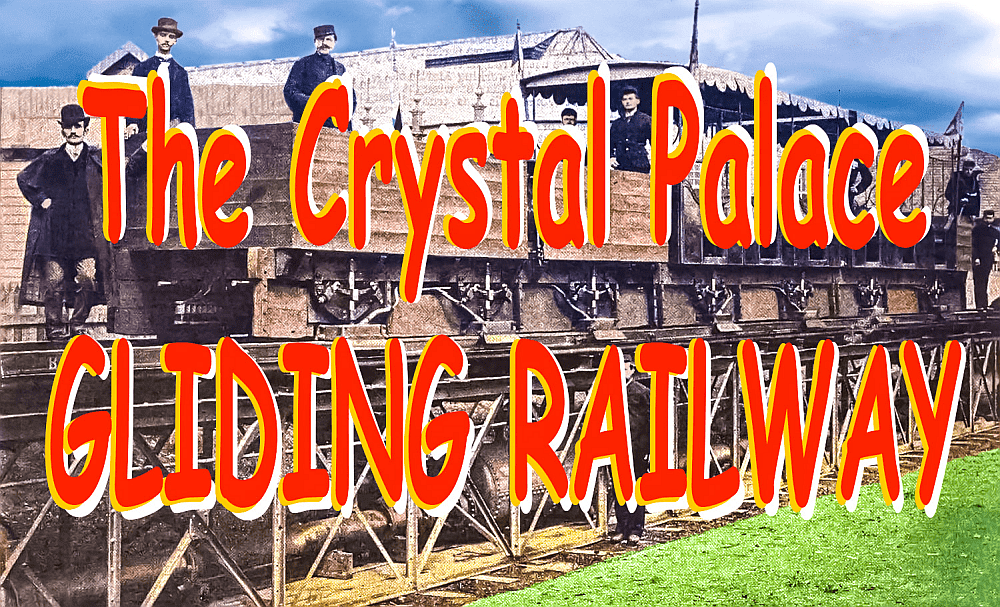
Louis-Dominique Girard’s Gliding Railway, in French known as the The Chemin de Fer Glissant (later it was called the Sliding Railway) was an unusual type of train whose origins began in the late 1860s as a test line in the ground of Girard’s home near Paris. It is said Girard developed his patent from somewhat earlier attempts to build a…
-
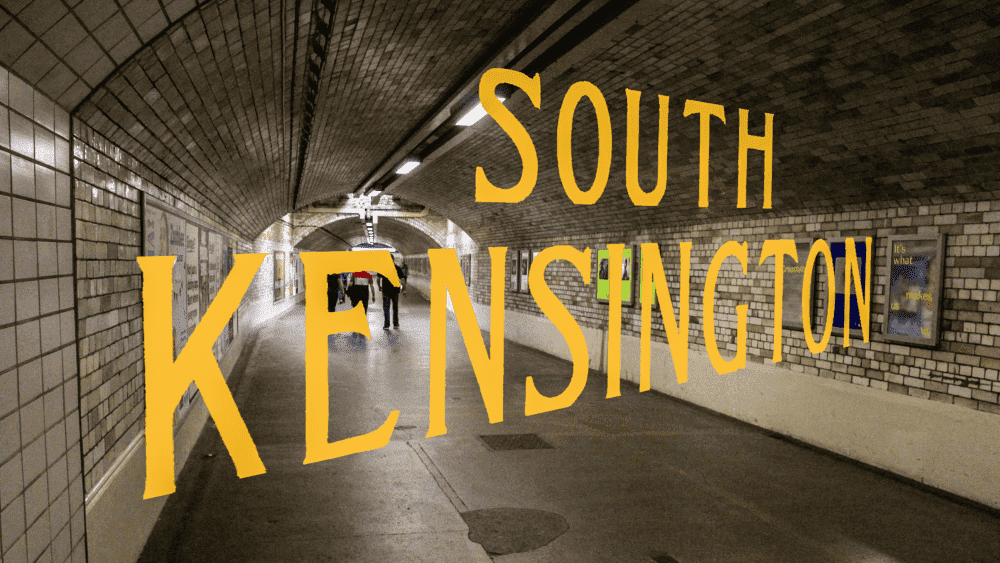
Pavement Lights The subway’s pavement lights can be seen here in Thurloe Street near the station entrance. It seems there were originally six sets of pavement lights in the subway – including two small lights in the turn from the main tunnel to the steps leading into the station. They can be seen from outside…
-
The Subway’s Route The subway at the South Kensington station end where it joins the station’s ticket hall. This isn’t the original entrance but rather it was from a footbridge below which directly linked to the platforms. There seems no records of when these alterations were effected but it appears it was in the late…
-
The South Kensington subway is the most heavily used foot tunnel in the UK, carrying many millions of people, and it links the tube station at South Kensington with London’s famous museums along Exhibition Road. These are the Natural History Museum, the Victoria and Albert Museum and the Science Museum. The subway is owned by…
-
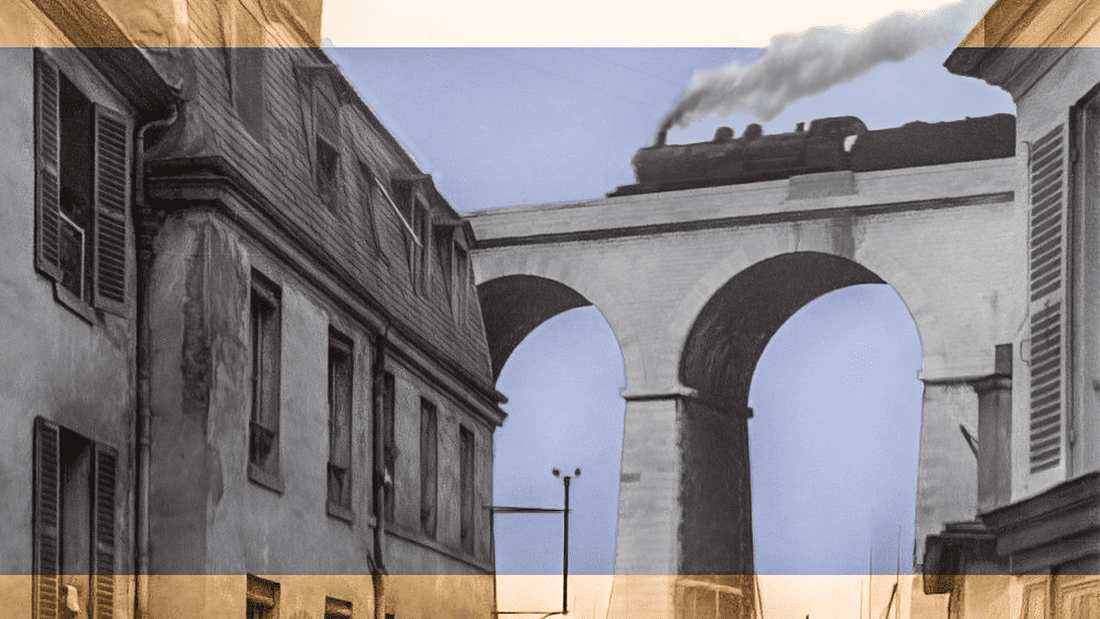
Meudon is a major icon in the history of photograph and its often used as an example in the evolution of photographic composition. Not only that its a famous railway picture. The scene depicts a subject carrying a wrapped parcel (probably a painting) up Rue du Docteur Vuillieme whilst a steam engine is seen crossing the lofty…
Search
Latest Posts
- The tube loses track of time!
- Baker Street tube blows its crumpet!
- Schwebebahn 125th anniversary
- Baker Street tube gets toasted!
- Rail legacy issues and the Deaf
Categories
- .
- Advertising
- America
- Architecture
- British Railways
- Closed Railway
- Historical
- International
- Ireland
- Japan
- London
- London Transport
- Narrow Gauge
- Other Transport
- Shinkansen
- Standard Gauge
- Tube
- United Kingdom
- Waterways
Tags
accessibility america anniversary breach canada canal canals closed railway coasters commuter rail deep level tube elizabeth line europe germany great western main line high speed rail industrial archaeology infrastructure japan london history london underground media metro narrow gauge operational issues paddington publicity quirky rail history railway railway history railway problems railway station roads South Africa station street theme park tokaido line transport tube tube station tunnels underground railway walking